


Top Chinese and EU commerce officials reached an "understanding" on the trade of hybrid vehicles following closely watched talks on Friday, Beijing's commerce ministry said, citing a joint statement.
"After intensive consultations, the two sides reached an understanding on trade in hybrid vehicles in a manner consistent with World Trade Organization rules," the statement said, noting both parties would "continue with the relevant procedures concerning company price undertakings".
 Full Story
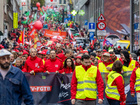
Police and protesters clashed in Brussels on Friday as tens of thousands of people rallied in the Belgian capital against rising living costs and budget-tightening measures introduced by the government.
Dozens of protesters, many of them young, dressed in black and wearing masks, threw rocks and firecrackers at police at the central Brussels railway station, before setting several fires, one to a pile of city bikes and electric scooters.
 Full Story
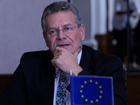
The top trade envoys for China and the European Union were wrapping up two days of talks Friday aimed at calming escalating tensions over growing imbalances between the two giant economies.
EU trade chief Maros Sefcovic traveled to Beijing saying it was crucial that the negotiations deliver "tangible outcomes" in rebalancing trade between China and the 27-nation bloc.
 Full Story
The European Union is capable of meeting demand for gas this winter but its reserves are at "historically low" levels and will need to be monitored, the ENTSOG operators' association said Thursday.
"Europe is entering the winter with historically low storage levels while observing higher and more volatile global gas prices" as the Middle East war disrupts supplies, but the bloc's "gas infrastructure remains sufficiently flexible to meet demand", the association said.
 Full Story
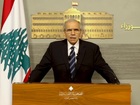
Prime Minister Nawaf Salam on Thursday delivered a speech to the Lebanese people from the Grand Serail, addressing the current economic situation and the challenges facing citizens amid rising prices and living burdens.
Salam began his address by acknowledging the burdens borne by citizens, particularly the increase in private electricity generator bills over the past two months, as well as the pressures imposed by rising fuel prices that force some families to choose between securing fuel and meeting other household needs.
 Full Story
Crude prices soared more than three percent Thursday after a report said the White House has asked the Pentagon to draw up options to hit sites in Iran ahead of the U.S. midterm elections.
Global benchmark Brent surged 3.6 percent to $103.80 per barrel, while West Texas Intermediate was up 3.4 percent at $91.27, fueling fresh fears about a spike in inflation.
 Full Story
Countries both rich and poor must take faster action to cut debt and counter growing inequality as their economies weather a triple whammy from the artificial intelligence boom, heavy borrowing and shocks from wars in the Middle East and Ukraine, the head of the IMF said Wednesday.
"Some very tough political choices stare us in the face," IMF Managing Director Kristalina Georgieva said in a speech in Singapore ahead of autumn IMF-World Bank meetings to be held in Bangkok next week.
 Full Story
Iraq devalued its currency Wednesday, changing the official exchange rate from around 1,300 Iraqi dinars to the dollar to 1,500 dinars to the dollar.
The country's central bank said in a statement that the new exchange rate had been decided at a meeting of Iraq's Cabinet the night before "to meet the relevant financial, economic and monetary requirements."
 Full Story
The International Monetary Fund warned Tuesday that price increases for necessities like food and energy, fueled by the wars in Iran and Ukraine, were more persistent than previously expected.
 Full Story
Energy Minister Joe Saddi, who was named by the Lebanese Forces, announced Tuesday his boycott of cabinet sessions until the government takes the “needed decisions” in the thorny electricity file.
 Full Story


